Diversification Strategy with RWA Tokenization: Balancing Risk and Returns
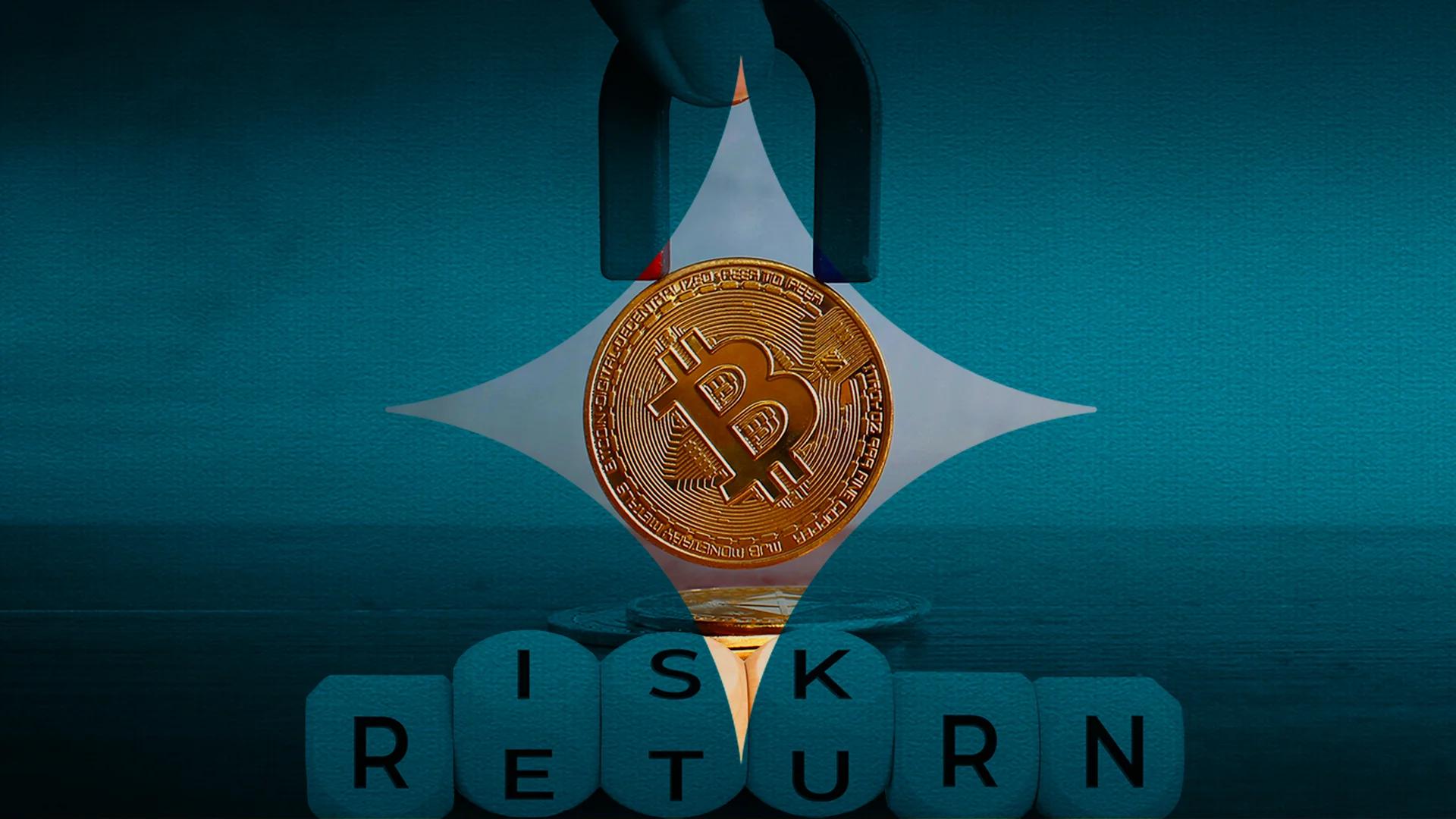
In today’s evolving financial landscape, investors are constantly seeking ways to protect their portfolios while maximizing returns. One emerging approach that’s gaining traction is RWA tokenization — the process of converting real-world assets into blockchain-based tokens. When used effectively, this innovative method can significantly enhance your diversification strategy, strengthen risk management, and help maintain a healthy risk and return balance.
RWA Tokenization Explained
Real-world asset (RWA) tokenization involves creating digital tokens that represent ownership in tangible assets such as real estate, commodities, invoices, or private equity. These tokens are recorded on a blockchain, providing transparency, liquidity, and fractional ownership.
Traditionally, access to many of these assets has been limited to institutional investors. However, tokenization democratizes access, allowing a wider range of investors to include them in their portfolio diversification
Why Portfolio Diversification Still Matters
The core of any strong diversification strategy is to spread investments across various asset classes to reduce exposure to any single risk. When done properly, diversification can limit downside losses during market volatility, without significantly sacrificing returns.
Adding tokenized real-world assets to your portfolio introduces exposure to alternative asset classes that may not correlate directly with the stock or crypto markets. This weak correlation is key to effective risk management.
How RWA Tokenization Supports Portfolio Diversification
Integrating RWA tokens into your portfolio offers several unique benefits:
- Broader Asset Access: Tokenization enables fractional ownership, allowing investors to gain exposure to high-value assets like commercial real estate or fine art.
- Liquidity: Traditionally illiquid assets become tradable, giving investors the ability to enter or exit positions more easily.
- Transparency and Security: Blockchain technology provides immutable records, increasing trust and reducing fraud.
By expanding the types of assets in a portfolio, investors can achieve better portfolio diversification, which leads to a more stable risk and return balance over time.
Practical Tips to Implement a Diversification Strategy Using RWA Tokenization
While RWA tokenization introduces new opportunities, it also requires careful risk management. Regulatory uncertainties, platform risks, and valuation transparency are some of the challenges to consider.
However, with thorough due diligence and smart allocation strategies, investors can use RWA tokens as a hedge against traditional market downturns. Including uncorrelated or low-correlation assets improves overall portfolio resilience, a cornerstone of effective risk management.
If you're considering incorporating tokenized real-world assets into your diversification strategy, it's important to take a structured approach. Here are some practical steps to get started:
- Assess Your Risk Tolerance: Understand your risk appetite to determine how much exposure to RWA tokens is appropriate for your portfolio.
- Start with Reputable Platforms: Utilize trusted tokenization platforms that adhere to robust compliance standards and offer transparent asset backing.
- Diversify Across Asset Types: Allocate capital to various tokenized assets like real estate, invoices, commodities, and infrastructure to improve portfolio diversification.
- Monitor Regulatory Developments: Stay updated on legal frameworks in your jurisdiction to ensure compliance and reduce risk exposure.
- Rebalance Periodically: Regularly evaluate asset performance to maintain your target risk and return balance and adapt to changing market conditions.
By following these steps, investors can use RWA tokenization not just as a trend but as a meaningful component of long-term risk management and growth.
Striking the Right Risk and Return Balance
Achieving the ideal risk and return balance is a constant challenge. RWA tokenization helps investors target higher returns through exposure to unique opportunities, while simultaneously managing risk by reducing portfolio concentration.
The key is to start small, allocate across various tokenized asset classes, and regularly reassess performance and market developments.
Final Thoughts
As financial markets become more interconnected and complex, traditional investment strategies are no longer sufficient. Embracing RWA tokenization as part of your broader diversification strategy can offer both protection and performance. With improved portfolio diversification, disciplined risk management, and a focus on maintaining a sustainable risk and return balance, investors can navigate market volatility with greater confidence.
Important Information
The information provided on this website is for general informational and educational purposes only. Nothing on this site constitutes, or should be understood as constituting, financial, investment, legal, or tax advice. You should not rely on any information presented here as a basis for making financial decisions.
Past performance of any asset, token, or investment strategy discussed on this site is not indicative of future results. Any projections, estimates, or forward-looking statements are for illustrative purposes only and are subject to risks, uncertainties, and assumptions that may cause actual outcomes to differ materially.
Acquiring tokenized assets involves significant risk, including but not limited to market volatility, regulatory changes, liquidity constraints, and the potential total loss of your investment. Tokens provide economic exposure to underlying assets but are not themselves stocks, ETFs, bonds, or commodity futures.
Cireta operates under the regulatory frameworks of the jurisdictions in which it is active. Token offerings may not be available in all jurisdictions. It is your responsibility to ensure compliance with local laws. Always consult a qualified, independent financial advisor before making investment decisions.