Why Tokenization of Commodities is the Future of Investment
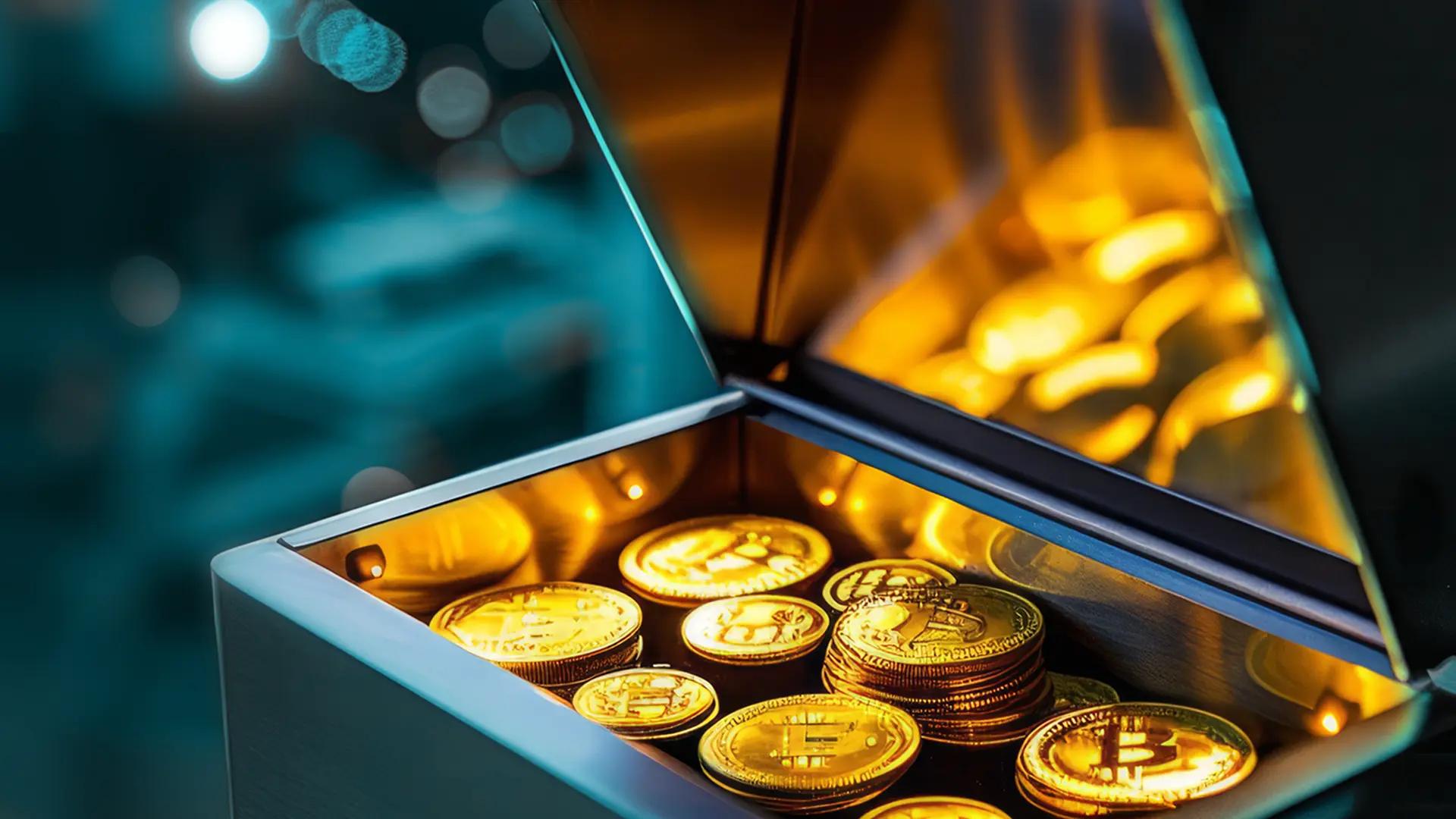
As the world rapidly embraces technological advancements, blockchain is reshaping industries, and one of its most transformative applications is asset tokenization. This innovative process, which involves converting physical assets into digital tokens, is revolutionizing the way investments work. Among the most significant beneficiaries of tokenization are commodities—tangible assets such as gold, oil, and agricultural products. By making these traditionally exclusive assets more accessible, liquid, and secure, tokenization is paving the way for a new era in investment.
Understanding Tokenization: What It Means for Real-world Assets
Tokenization is the process of converting a physical, tangible asset into a digital token on the blockchain. Each token represents a fraction of the total asset, making it possible for investors to own a piece of high-value assets without the need to purchase them outright.
This concept is not limited to real estate or artwork; it extends to commodities such as precious metals, energy resources, and agricultural goods. Blockchain technology ensures that the tokenization process remains transparent, secure, and decentralized, allowing both seasoned investors and newcomers to participate without the usual barriers.
But why is the tokenization of commodities seen as the future of investment? Let’s break it down.
Key Benefits of Tokenizing Commodities
1. Increased Accessibility for All Investors
Traditionally, investing in commodities has been limited to large-scale investors, institutions, and hedge funds due to high entry costs, complex logistics, and strict regulations. However, tokenization levels the playing field by allowing investors to purchase fractional ownership of commodities.
For example, instead of buying an entire gold bar, an investor can own a small portion of it through digital tokens. This means that individuals who previously couldn't afford to invest in oil, metals, or agricultural goods can now participate with much lower capital requirements.
The result? A more inclusive investment landscape where anyone can enter the commodity market and build wealth over time.
2. Greater Liquidity & Faster Transactions
One of the biggest challenges in commodity investing is liquidity—the ability to quickly buy or sell assets without impacting their price. Physical real-world assets like oil barrels or gold reserves often take days or even weeks to trade due to logistical constraints, intermediaries, and legal processes.
With tokenization, commodities become digitally tradable on blockchain-based exchanges. Investors can buy, sell, or trade these tokens almost instantly, eliminating the delays associated with traditional commodity markets. Since blockchain operates 24/7, investors are no longer restricted by market hours, enabling them to trade at their convenience.
3. Enhanced Security & Transparency
Security is a major concern in commodity trading, where fraud, counterfeiting, and mismanagement can lead to significant losses. Blockchain technology mitigates these risks through immutable records and smart contracts that automate transactions without the need for middlemen.
Every tokenized commodity is recorded on a transparent ledger, ensuring that all transactions are verifiable, trackable, and tamper-proof. This means investors can trace their asset's history from its source to its current ownership, reducing the risk of fraud and increasing confidence in the market.
4. Integration with Decentralized Finance (DeFi)
The rise of Decentralized Finance (DeFi) has opened new doors for tokenized commodities. Through DeFi platforms, investors can:
- Stake their tokens to earn passive income.
- Use tokenized commodities as collateral to secure loans.
- Engage in yield farming and liquidity pools, enhancing investment opportunities.
This level of financial flexibility makes tokenized commodities more than just an investment—it turns them into dynamic financial assets that can generate additional revenue streams.
5. Ethical & Sustainable Investing
One of the biggest concerns in the commodity market is ensuring that investments are ethically sourced and environmentally responsible. Tokenization promotes transparency by enabling investors to track their assets back to their origin.
For example, an investor can verify if their gold investment comes from a responsible mining operation rather than a conflict zone. This helps prevent illicit activities, ensures compliance with sustainability standards, and promotes fair trade practices.
The Future of Tokenized Assets
Although asset tokenization is still in its early stages, real-world implementations are already taking shape. Several blockchain-powered platforms have successfully tokenized assets like gold, oil, and agricultural products, making them available for global trading.
Governments and financial institutions are actively working on regulatory frameworks to ensure a safe and compliant ecosystem for tokenized commodities. As more industries recognize the benefits of blockchain and tokenization, widespread adoption is inevitable.
In the coming years, we can expect:
- Increased institutional interest in tokenized commodities.
- More regulated marketplaces for commodity-backed tokens.
- Integration with traditional financial systems.
- Expansion of DeFi utilities for tokenized assets.
Final Thoughts: The Road to a More Inclusive Investment Landscape
The tokenization of commodities is more than just a passing trend—it is a fundamental shift in how we buy, sell, and trade tangible assets. By leveraging blockchain technology, tokenization democratizes commodity investments, enhances liquidity, ensures security, and promotes ethical sourcing.
This transformation is reshaping financial markets, making commodity investments accessible to everyone, not just large institutions. As we move deeper into the digital era, tokenization is set to become a cornerstone of the future financial ecosystem.
For investors looking to diversify their portfolios, tokenized real-world assets present an exciting, secure, and highly efficient opportunity. The only question is: are you ready to be part of this financial revolution?
Important Information
The information provided on this website is for general informational and educational purposes only. Nothing on this site constitutes, or should be understood as constituting, financial, investment, legal, or tax advice. You should not rely on any information presented here as a basis for making financial decisions.
Past performance of any asset, token, or investment strategy discussed on this site is not indicative of future results. Any projections, estimates, or forward-looking statements are for illustrative purposes only and are subject to risks, uncertainties, and assumptions that may cause actual outcomes to differ materially.
Acquiring tokenized assets involves significant risk, including but not limited to market volatility, regulatory changes, liquidity constraints, and the potential total loss of your investment. Tokens provide economic exposure to underlying assets but are not themselves stocks, ETFs, bonds, or commodity futures.
Cireta operates under the regulatory frameworks of the jurisdictions in which it is active. Token offerings may not be available in all jurisdictions. It is your responsibility to ensure compliance with local laws. Always consult a qualified, independent financial advisor before making investment decisions.